Offshore Gaming Jurisdictions: Real Talk About Where to License Your Operation
Here's the thing about offshore jurisdictions: everyone talks about them, but few understand what "offshore" actually means in 2025. It's not about hiding money in some Caribbean tax haven. It's about strategic regulatory arbitrage - picking a jurisdiction that matches your business model, target markets, and budget.
I've processed over 200 license applications across 15+ jurisdictions. The operators who succeed understand one fundamental truth: there's no "best" offshore jurisdiction. There's only the right fit for your specific operation. Malta might be perfect for a B2C sportsbook targeting Europe. Curacao could work better for a crypto casino focusing on Latin America. Gibraltar makes sense if you're building a premium poker network.
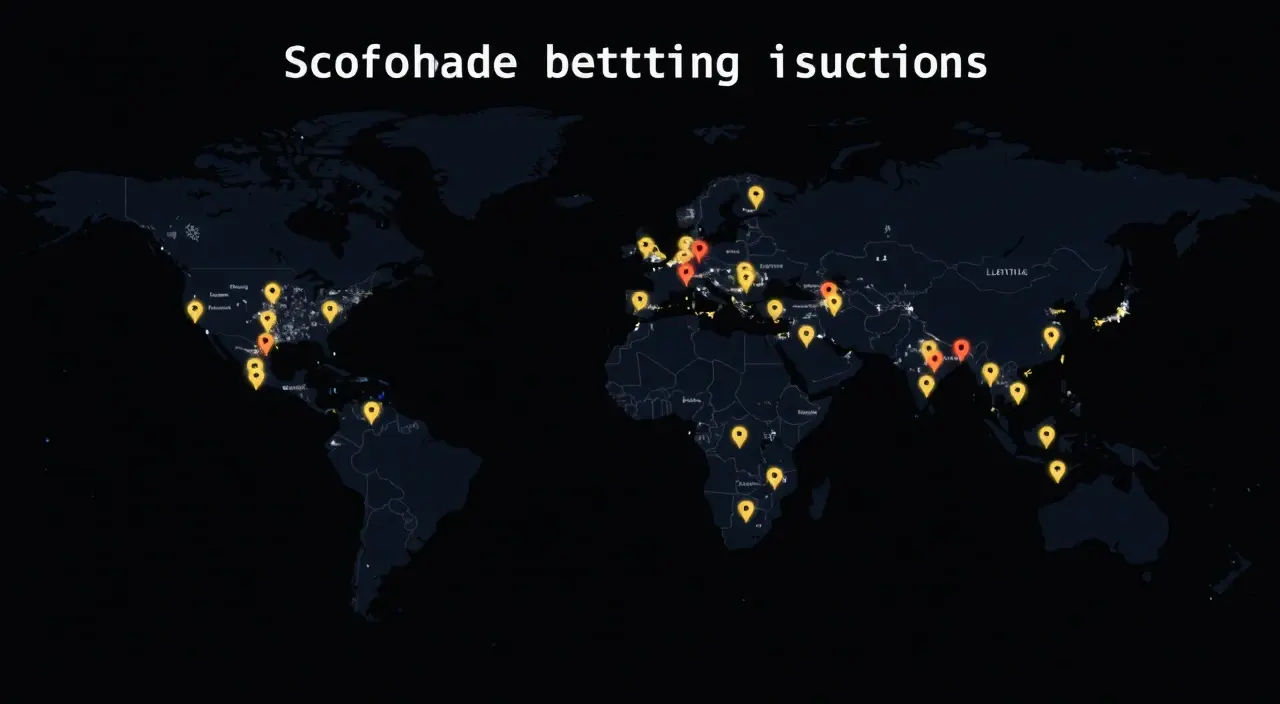
The operators who waste six months and €50,000+ are those who chase "cheap and fast" without understanding compliance depth. Let's break down what offshore really means - and which jurisdictions deliver actual value versus regulatory theater.
What Makes a Jurisdiction "Offshore" in Gaming Terms
"Offshore" doesn't mean unregulated. It means the licensing jurisdiction operates outside your primary target market. A UK operator getting a Malta gaming license requirements is technically going offshore, even though Malta is a Tier 1 European regulator.
Real offshore characteristics:
- Non-local licensing: You're not physically based in the jurisdiction
- Regulatory arbitrage: Lower compliance costs than onshore alternatives
- Market access flexibility: License allows multi-jurisdictional operations
- Tax optimization: Corporate tax rates between 0% and 15% (versus 19-35% onshore)
The Gaming Control Board where I worked saw this pattern constantly. Operators would apply for Nevada licensing, get hit with $250,000 in setup costs, then pivot to Malta or Isle of Man. Not because they wanted to avoid regulation - because Nevada requirements didn't match their business model.
Tier 1 vs Tier 2 vs Tier 3: Understanding Jurisdiction Classification
Industry insiders classify jurisdictions into three tiers. This isn't official - it's based on regulatory rigor, international recognition, and payment processor acceptance.
Tier 1 Jurisdictions (Premium Compliance)
Malta, UK, Gibraltar, Isle of Man, Alderney
Timeline: 6-12 months. Cost: €40,000-€100,000 first year.
These require full financial audits, key person probity checks, and ongoing compliance monitoring. Payment processors like Visa/Mastercard trust these licenses. If you're targeting regulated European markets, you need Tier 1.
Reality check: Malta's MGA license carries weight because they actually audit operators. I've seen them revoke licenses for non-compliance - it's not rubber-stamping.
Tier 2 Jurisdictions (Balanced Approach)
Curacao, Costa Rica (moving up), Kahnawake, Panama
Timeline: 2-4 months. Cost: €15,000-€35,000 first year.
The Curacao licensing framework sits here - legitimate regulation with less bureaucracy. Good for crypto casinos, Asian markets, and operators building track record before moving to Tier 1.
Warning: Tier 2 doesn't mean "no compliance". You still need proper game testing, financial reporting, and player protection measures. Just less paperwork.
Tier 3 Jurisdictions (Minimal Oversight)
Anjouan (Comoros), certain Caribbean micro-jurisdictions
Timeline: 2-8 weeks. Cost: €5,000-€15,000 first year.
Let's be honest: these are regulatory theater. Major payment processors won't touch you. Serious affiliates won't promote you. Players don't trust the license seal.
If someone's pitching a "fast, cheap" license from a jurisdiction you've never heard of - walk away. Your business deserves better than a license that's worthless the moment you need banking relationships.
Cost Breakdown: Real Numbers from Real Applications
Operators always ask about "the cheapest option". Wrong question. Ask about total cost of compliance over 36 months.
Malta MGA (Tier 1):
- Application fee: €5,000 non-refundable
- Initial license fee: €25,000-€35,000 (depends on license type)
- Legal/consulting: €30,000-€50,000
- Annual renewal: €15,000-€25,000
- Compliance staff: €80,000-€120,000/year (2-3 full-time positions)
Curacao (Tier 2):
- Master license sublicense: €15,000-€25,000 first year
- Legal setup: €8,000-€12,000
- Annual renewal: €12,000-€18,000
- Compliance: can outsource for €2,000-€3,000/month
Gibraltar (Tier 1):
- Application: £100,000-£150,000 (includes local presence requirements)
- Annual fees: £85,000 base + 0.15% GGR (capped)
- Physical office: required (€30,000-€50,000/year)
Notice the pattern? Cheaper upfront often means higher operational costs or market limitations. The Gibraltar license application costs more initially but gives you access to UK white-label partnerships and Tier 1 credibility.
Market Access: Which Jurisdiction Opens Which Doors
Your license determines which markets you can legally serve. This is where strategic planning beats cost-cutting every time.
European Market Focus:
Malta MGA, Gibraltar, or Isle of Man. Period. These are recognized under EU Mutual Recognition principles. You can serve unregulated European markets with minimal friction. Payment processors in Netherlands, Germany, Austria will work with you.
Latin American Operations:
Curacao dominates here. Brazil, Argentina, Peru operators accept Curacao licensing. Bonus: most LATAM countries don't have formal online gambling regulation yet, so Curacao provides legal cover.
Asian Markets:
Philippines PAGCOR, Isle of Man, or Curacao. Asian payment processors (AsiaPay, DragonPay) recognize these. But here's the catch - most Asian markets operate in grey zones regardless of your license.
Crypto Casino Global:
Curacao or Costa Rica. If you're crypto-only and targeting global traffic outside regulated markets, paying for Malta makes zero sense. Curacao gives you legitimacy with crypto payment processors at 1/4 the cost.
Red Flags: When "Offshore" Becomes "Liability"
I've seen operators lose everything because they licensed in the wrong jurisdiction. Watch for these warning signs:
Jurisdiction Shopping Based Solely on Price:
If your advisor pushes the cheapest option without asking about your target markets, business model, or payment processing needs - that's a red flag. Licensing isn't commoditized. Context matters.
Promises of "Anonymous" Licensing:
Any jurisdiction claiming you can get a license without disclosing beneficial owners is lying or operating outside international AML standards. FATF requirements hit gaming hard in 2023. No legitimate regulator allows anonymous ownership anymore.
No Ongoing Compliance Requirements:
If there's no annual audit, no financial reporting, no game testing requirements - you don't have a real license. You have a fancy PDF certificate that won't help when payment processors ask questions.
Jurisdictions Without Established Gaming Law:
Some countries issue "blockchain gambling licenses" or "international gaming permits" that exist outside their actual legal framework. These collapse the moment there's a player dispute or regulatory inquiry.
Due Diligence Questions to Ask Any Jurisdiction Advisor
Before you commit €20,000+ to any licensing process, get straight answers to these questions:
- "Which payment processors accept this license?" - Names and contact info, not vague assurances
- "What's the realistic approval timeline?" - If they say under 6 weeks for Tier 1, they're lying
- "What's the rejection rate for first-time applicants?" - If they claim 100% approval, walk away
- "Do you have current clients we can speak with?" - Legitimate advisors provide references
- "What's included in your fee structure?" - Hidden costs kill budgets
The consultants who've been in this space for 10+ years will answer these directly. The fly-by-night "license facilitators" will dodge with marketing speak.
The 2025 Reality: Offshore Doesn't Mean Unregulated Anymore
Here's what's changed in the last 24 months. International pressure from FATF, EU, and US authorities has pushed even Tier 2 jurisdictions to tighten standards. Curacao overhauled their entire licensing regime in 2024. Costa Rica introduced formal gaming regulation after 15 years of grey-zone operations.
What this means for operators: the gap between Tier 1 and Tier 2 is narrowing. You're not avoiding compliance by going offshore anymore - you're choosing which regulatory framework best fits your operation.
The operators succeeding in 2025 understand this shift. They're not asking "how do I avoid regulation?" They're asking "which regulation supports my business model while maintaining player trust?"
That's the fundamental reframe. Understanding offshore betting regulations isn't about finding loopholes - it's about strategic positioning in a maturing global market. Choose your jurisdiction based on where you want to be in three years, not where you want to save money today.
If you need help mapping your specific business model to the right jurisdiction, let's talk. We've guided 200+ operators through this exact decision. No sales pitch. Just straight answers about what works and what doesn't in 2025's regulatory landscape.