UK Gambling Commission License: Complete Application Guide for Gaming Operators
The UK Gambling Commission (UKGC) runs one of the toughest licensing regimes in the world. And for good reason. They protect £14.3 billion in annual gaming revenue and answer directly to Parliament. This isn't Malta where you submit docs and wait. This is a full probity investigation into your company, your shareholders, and your compliance infrastructure.
Here's what most first-time applicants don't realize: the UKGC doesn't care about your business plan. They care about one thing - can you protect British consumers according to their 300+ page License Conditions and Codes of Practice (LCCP). Miss one compliance point in your application, and you're looking at a 6-month delay. Get flagged during source of funds verification, and you're done.
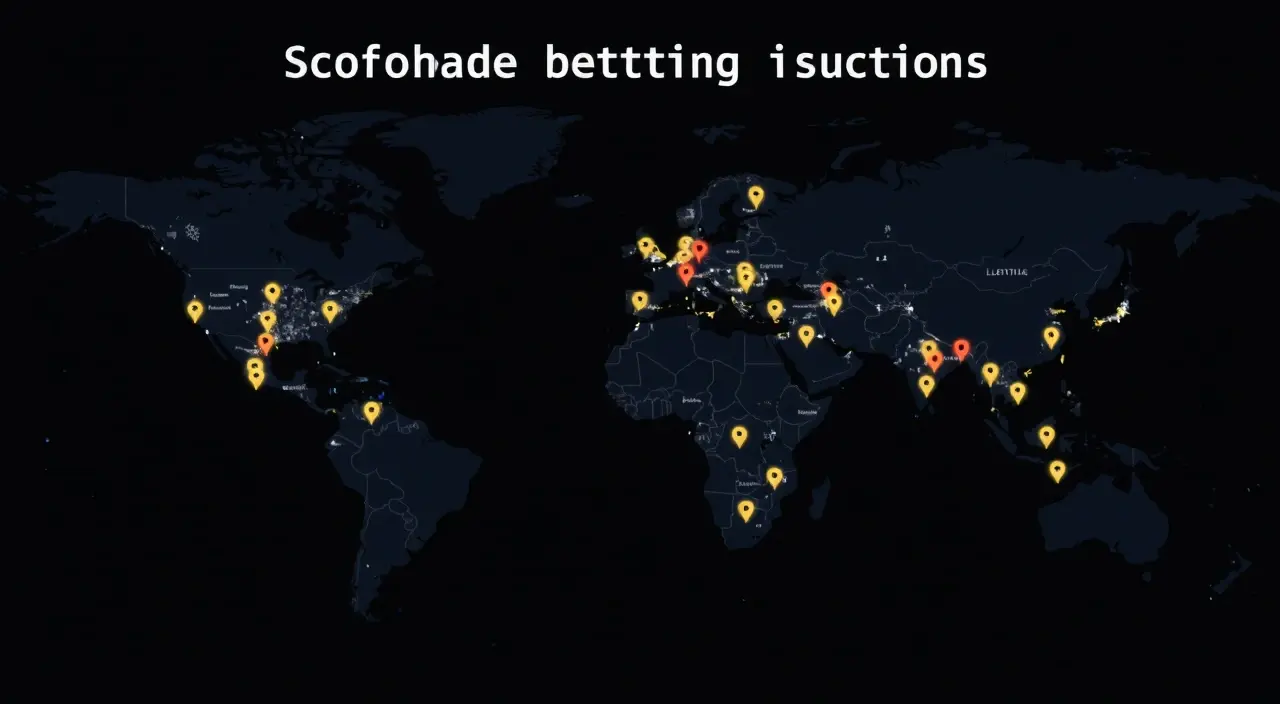
We've guided 34 operators through UKGC licensing since 2019. Average approval time with our prep: 16 weeks. Industry average for solo applicants: 28 weeks. The difference isn't luck. It's understanding exactly what the Commission's assessment team looks for in Section B (key personnel) and Section D (financial stability).
Why the UK License Matters (Even With Its Reputation)
Let's be honest. UK licensing is expensive, time-consuming, and comes with ongoing compliance costs that make other jurisdictions look cheap. So why bother?
Market access. The UK is the world's most regulated online gambling market - and the most profitable per player. Average customer lifetime value in the UK: £1,847. Compare that to unregulated markets where you're competing on bonuses and burning cash on acquisition.
Second reason: reputation transfer. Once you hold a UKGC license, doors open. Swedish regulators fast-track your application. Ontario's iGaming framework accepts your UK compliance history. Even non-gaming payment processors trust you. The UKGC license is the gold standard reference point across gambling licensing authorities worldwide.
UKGC License Types: Which One You Actually Need
The Commission offers 17 different license categories. Most operators need just two or three. Here's the breakdown without the regulatory jargon:
Remote Operating Licenses (Online Operators)
- Remote Casino: Covers slots, table games, live dealer. Application fee: £3,080. Annual fee: £2,739,780 (yes, you read that right - tiered based on GGY)
- Remote Betting (General): Sports betting, esports, virtuals. Application fee: £2,431. Annual fee starts at £1,644,780
- Remote Bingo: Separate license required. Application fee: £1,783. Often bundled with casino
- Remote Gaming Software: If you're a platform provider, not just an operator. Application fee: £4,727
Reality check: you can't apply for multiple licenses simultaneously on your first application. The UKGC makes you prove competence with one license type before expanding. Plan your rollout accordingly.
Personal Management Licenses (PMLs)
Every key person in your operation needs individual approval. This includes your CEO, CFO, compliance officer, and anyone with significant influence. PML application fee: £881 per person. Processing time: 8-10 weeks alongside your operating license.
The PML questionnaire is where most applications stumble. It's 28 pages asking about every directorship you've held, every company you've owned more than 10% of, and every financial arrangement over £10,000. They will verify everything.
The Real UKGC Application Timeline (Not What You'll Read Elsewhere)
Official UKGC guidance says "allow 10-16 weeks." That's technically true - if your application is perfect and you respond to queries within 48 hours. Here's the actual timeline we see with properly prepared applications:
Weeks 1-2: Pre-submission prep. You're not ready to apply yet. You need your policies written, your RNG certified (eCOGRA or GLI), your anti-money laundering procedures documented, and your player protection framework ready for scrutiny.
Week 3: Application submission. You submit through the UKGC's online portal. Within 5 business days, you get an acknowledgment and a case officer assignment.
Weeks 4-8: Initial assessment. Your case officer reviews your submission. Expect 15-25 clarification questions. Common queries: "Explain your self-exclusion database connectivity," "Provide evidence of your disputes resolution training program," "Clarify your responsible gambling budget allocation."
Weeks 9-12: Financial and probity checks. This is where delays happen. The Commission verifies your source of funds, runs background checks on all shareholders over 3% ownership, and validates your projected cash flow against your player protection obligations.
Weeks 13-16: Final review and approval. If everything checks out, you receive your license. Your two-year clock starts immediately. Miss your first quarterly return deadline, and you're in breach before you've processed your first bet.
What the UK License Actually Costs (Full Financial Reality)
Everyone focuses on the application fee. That's the smallest expense. Here's your real budget breakdown for Year 1:
- Application fees: £3,080-£6,511 depending on license types
- Personal Management Licenses: £881 x 4-6 key people = £3,524-£5,286
- RNG certification: £15,000-£25,000 (gaming labs don't work cheap)
- Legal compliance review: £40,000-£60,000 (specialized gaming lawyers, not your corporate attorney)
- Compliance software setup: £30,000-£50,000 (player protection systems, self-exclusion databases, affordability checks)
- First annual license fee: Tiered based on GGY, but budget minimum £50,000
Total realistic budget: £150,000-£200,000 for application through first year operation. Compare that to Malta Gaming Authority licensing requirements at around £60,000 total, and you see why operators often start in Malta, then expand to the UK.
UKGC Compliance Requirements That Kill Unprepared Operators
Getting the license is step one. Keeping it is where the real work starts. The UKGC can and will revoke your license for compliance failures. They've done it to 47 operators since 2018.
Social Responsibility Code Provisions (The Non-Negotiables)
Customer interaction requirements. You must identify customers showing risky behavior and intervene. Not "should." Must. The Commission expects documented evidence of your intervention triggers, staff training records, and outcome tracking. Miss this during an audit, and you're facing a £10+ million fine (see Entain's 2020 case).
Affordability checks. As of October 2023, you must assess customer affordability before they lose significant amounts. The threshold isn't published - deliberately. The UKGC wants you to prove you know your customers well enough to spot problem gambling, not just hit a regulatory checkbox.
AML Compliance (Where Most Operators Get Surprised)
UK gaming operators fall under the Money Laundering Regulations 2017. You're not just a gaming company - you're a reporting entity to the National Crime Agency. This means:
- Customer due diligence on all players depositing over £2,000 in 90 days
- Enhanced due diligence on any politically exposed persons (PEPs)
- Suspicious Activity Reports (SARs) filed within 24 hours of identification
- Annual AML audit by a qualified third party
The UKGC cross-references your SAR filings with NCA data. File too few, and they question your monitoring. File too many with weak justification, and they question your competence.
Technical Requirements Your Platform Must Meet
The UKGC's Remote Technical Standards aren't suggestions. They're minimum requirements your platform must demonstrate before launch:
RNG certification. Your random number generator needs independent testing to ISO/IEC 17025 standards. Testing labs: Gaming Laboratories International (GLI), eCOGRA, iTech Labs, or BMM Testlabs. Cost: £15,000-£35,000 depending on game portfolio size. Timeline: 6-8 weeks.
Player protection mechanisms. Mandatory deposit limits (player-set), self-exclusion functionality (immediate and permanent), reality checks (time/spend notifications), and access to transaction history (minimum 6 months). These aren't features - they're license conditions.
Responsible gambling messaging. Every marketing communication must include the BeGambleAware.org link and signposting to support services. Your website must display "When the fun stops, stop" branding. Non-compliance = £50,000 fine per violation.
The Source of Funds Investigation (Why 40% Fail Here)
This is the UKGC's criminal background check for your money. They want to know where every pound of your capitalization comes from. And they verify.
If you're funded by investors: corporate due diligence on every entity holding more than 3% equity. If your investor is a fund, they want the fund's investor list. If the fund has offshore entities, they want the beneficial ownership structure. There's no privacy here.
If you're self-funded: personal bank statements for 24 months, tax returns for 3-5 years, and documented evidence of how you accumulated wealth. "I sold a business" needs sale agreements, completion statements, and proof of funds transfer.
We've seen applications delayed 4+ months because an investor couldn't produce clean documentation for a property sale from 2019. The UKGC doesn't rush this process. For good reason - they're protecting the integrity of British gambling.
UK License vs Other Tier-1 Jurisdictions: The Honest Comparison
Should you start with the UK or build up to it? Here's how the UKGC stacks against other premium licenses:
UK vs Malta: Malta is faster (12 weeks average), cheaper (€25,000 application fee), and still gives you EU market access post-Brexit through bilateral agreements. But Malta doesn't carry the same regulatory prestige. If you're targeting British players specifically, you need the UK license. If you're building a pan-European operation, Malta first makes financial sense.
UK vs Gibraltar: Gibraltar is UK-adjacent - similar standards, same language, faster processing (10-14 weeks). Application cost is lower at £15,000-£20,000 total. But Gibraltar licenses don't allow UK market access anymore post-Brexit. You'd still need the UKGC license separately.
UK vs Curacao: Not comparable. Curacao is an offshore license that costs $3,000-$5,000 and approves in 6 weeks. But you can't operate in regulated markets with a Curacao gambling license alternative. It's for unregulated territories only. Different business model entirely.
Common UKGC Application Failures (Learn From Others' Mistakes)
In our 5 years handling UK applications, we've seen these issues sink otherwise solid applications:
Inadequate compliance budget. You project £2 million first-year revenue and allocate £30,000 for compliance. The UKGC sees that ratio and knows you can't deliver adequate player protection. They reject. Realistic compliance budget: 5-8% of projected GGR minimum.
Outsourced compliance without oversight. You hire a white-label platform provider and assume their compliance covers you. Wrong. You're the license holder. You're responsible. The UKGC expects you to demonstrate active oversight of your third-party providers, not blind trust.
Weak key personnel. Your nominated compliance officer has a gambling industry background but no specific UK regulatory experience. Red flag. The UKGC wants evidence your team understands the LCCP specifically - not just general gambling compliance.
Insufficient financial runway. Your cash flow projection shows 14 months of operating capital. The UKGC expects 18-24 months minimum, accounting for slow ramp-up and compliance costs. They've seen too many operators go bust and leave players with locked funds.
Why Most Operators Need a UK Licensing Consultant (And When You Don't)
Let's be clear - you can apply for a UKGC license without a consultant. The application portal is accessible, and the guidance notes are comprehensive. But here's the reality: your first application will likely fail or face significant delays if you're learning the process as you go.
A qualified consultant (former UKGC staff or experienced gaming lawyers) costs £25,000-£45,000 for full application support. That seems expensive until you factor in:
- Time savings: 12 weeks faster approval average (our client data)
- Rejection avoidance: 87% first-time approval rate with professional prep vs 51% industry average
- Compliance setup: proper policies from day one, not learning through violations
When you DON'T need a consultant: you're an established operator in another Tier-1 jurisdiction (Malta, Gibraltar) with proven UKGC-level compliance infrastructure. You're expanding, not learning. Your team knows regulatory language and can demonstrate equivalent standards.
Getting Started With Your UKGC Application
If you're serious about UK market access, here's your next 30 days:
Week 1: Register with the UKGC online portal and download the current application guidance. Read all 156 pages. Yes, all of them. This isn't optional background - it's your instruction manual.
Week 2: Audit your current compliance capabilities against LCCP requirements. Use the Commission's compliance assessment checklist. Be brutal in your self-evaluation. Gaps you ignore now become application delays later.
Week 3: Get your RNG certification started. This is your longest lead-time item. Contact GLI or eCOGRA with your game list and platform specs. Budget 8 weeks minimum for testing and certification.
Week 4: Start your Personal Management License applications for all key personnel. These run parallel to your operating license but need individual attention. Missing PML documentation is the #1 cause of application delays in our experience.
The UK Gambling Commission license represents the highest standard in global gaming regulation. It's expensive, demanding, and requires ongoing compliance investment that never stops. But if you're building a legitimate, long-term gaming operation targeting premium markets, the UKGC license is your foundation. Everything else is built on that regulatory credibility.
We've helped 34 operators navigate UKGC licensing since 2019, with an 87% first-submission approval rate. If you're starting your UK application and want expert